







Search Results for: Estate and Production Region
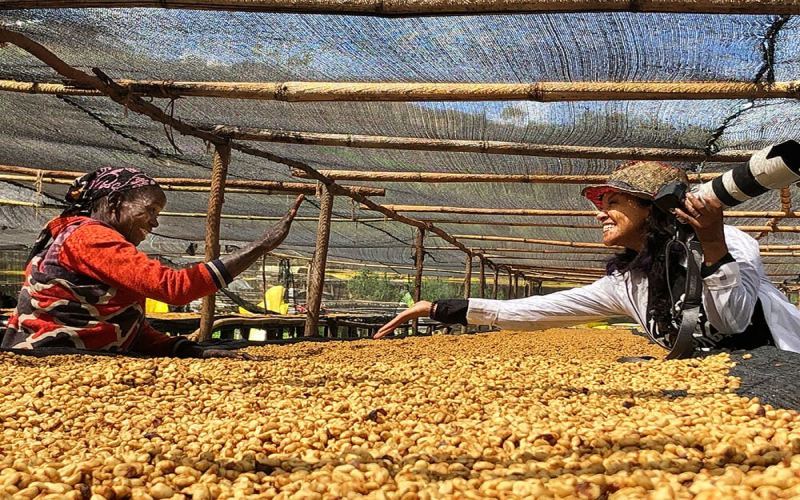
Exploring Ethiopia's Bench Maji: A Complete Origin Analysis of Gesha Village Estate and the Native Geisha Variety
Ethiopia, as the birthplace of coffee, possesses the world's richest coffee gene pool, and the Bench Maji region on the western border is the original homeland of the renowned Geisha variety. This article systematically examines the unique characteristics of this region, from its geographical environment, regional divisions, and cultivation patterns to the varieties and grading systems of Geisha village estates. Front Street Coffee uses this year's new-crop Gold Label Geisha as an example to present the cupping flavors and in-store pour-over parameters, giving you a complete picture of Ethiopian Geisha from forest to cup. [more…]
A Visit to Elida Estate in Panama: The Flavor Secrets and Cultivation Details of High-Altitude Coffee from the Boquete Region
The fascination of the coffee world lies in the fact that different regions and estates, due to variations in altitude, soil, temperature, and rainfall, cultivate entirely distinct aromas and flavors. Like the wine classification system, specialty coffee emphasizes traceability and transparency, allowing drinkers to know which estate each bag of beans comes from, what kind of environment it grew in, and what processing it underwent. This time we travel to Central America, to Panama, to visit Elida Estate Coffee, located in the Boquete production area of Chiriquí Province. The estate sits on the eastern side of Barú Volcano, at an altitude ranging from 1,670 to 1,850 meters, making it one of the highest coffee estates in Panama. We will follow estate owner Wilford Lamastus as he observes coffee seedlings, ripe red cherries, and the processing station, to understand how high altitude, volcanic loam, and microclimates shape the award-winning cup profile of Elida, and to retain Front Street Coffee's recommendation information on this estate's Catuai. [more…]
Comparison of Three Major Coffee Varieties at Hacienda Elida Estate in Panama: A Detailed Guide to the Flavor Processing Methods of Geisha, Typica, and Catuai
Located in the Boquete production area of Panama, Elida Estate has become a star estate in the specialty coffee world thanks to its high altitude, volcanic fertile soil, and varied microclimates. The estate mainly cultivates three varieties: Geisha, Typica, and Catuai. They grow in similar environments yet have distinctly different flavors. This article will comprehensively analyze the character of these three coffee beans, starting from the terroir of the production area, the estate's processing methods, the characteristics of each variety, the differences between natural and anaerobic low-temperature slow natural processing, as well as Front Street Coffee's roasting records and cupping reports. Whether you prefer the jasmine aroma and bright acidity of Geisha, the dried-fruit sweetness of Typica, or the nutty chocolate notes of Catuai, you can find the answer here, along with Front Street brewing suggestions for reference. [more…]
A Complete Analysis of Panama Coffee Origins, Varieties, and Flavors: An Introduction to Boquete and Other Specialty Estates
Although Panama is a small country, it occupies a pivotal position in the world of specialty coffee. Its high-altitude areas in the western province of Chiriquí give rise to top-tier beans sought after by coffee lovers worldwide. From Boquete to the surroundings of Volcán Barú, a group of star estates, relying on unique microclimates and relentless research, have repeatedly broken cupping records. This article will systematically review Panama's main coffee-producing regions, common varieties, and processing methods, and introduce one by one the flavor characteristics and background stories of representative estates such as Hacienda La Esmeralda, Elida Estate, and Carmen Estate, helping readers gain a comprehensive understanding of the coffee charm of this "Valley of the Moon." [more…]
Jamaican Blue Mountain Coffee Beans Flavor and Taste Analysis: Estate Production Region Growing Environment and Brand Introduction
Jamaica Blue Mountain coffee holds an unshakable status in the hearts of coffee lovers worldwide, with its balanced acidity, sweetness, body, and bitterness, elegant aroma, and smooth entry. However, true Blue Mountain coffee is produced in extremely limited quantities, and many so-called "Blue Mountain" coffees on the market are merely house blends. This article will guide you through Blue Mountain coffee's certification system, historical origins, the division of its three major growing regions, and how it differs from other Jamaican coffees, while also recommending related products from Front Street Coffee to help you understand and purchase this legendary coffee more rationally. [more…]
Analysis of Costa Rica Sumava Estate Black Honey Coffee Beans: From the Terroir of the Western Valley to the Unique Sweet Juice Processing Method
Costa Rica's Sumava Estate is located in the Western Valley production region at an altitude of about 1,700 meters and is renowned for its black honey processing method. Estate owner Francisco Mena uses a unique sweet juice honey processing method, soaking parchment beans in coffee cherry juice to give the coffee a richer flavor. This article will introduce in detail the background of the Costa Rica production region, the terroir conditions of Sumava Estate, the characteristics of the black honey processing method, green bean analysis, the roasting curve, and pour-over recommendations. Front Street Coffee recommends this black honey processed Caturra, whose flavor presents black sugar, floral notes, citrus, and sweet spices, with a sweet and syrupy mouthfeel. Through this article, you will gain a comprehensive understanding of the unique charm of this champion estate coffee. [more…]
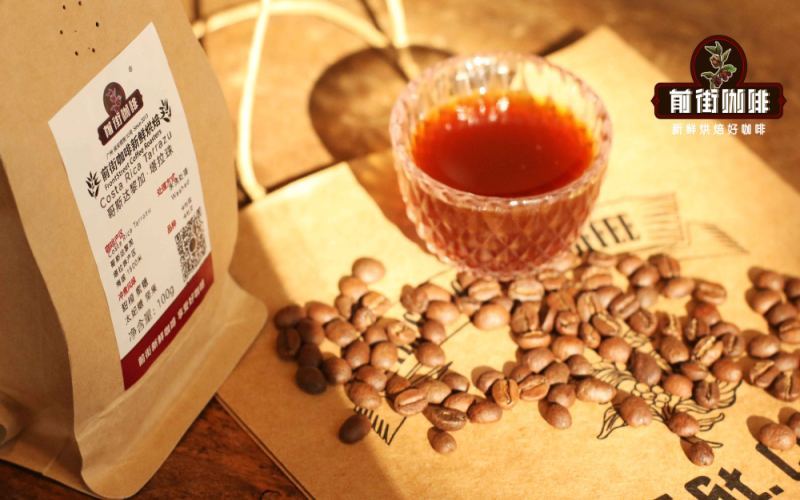
Costa Rica Red Honey Coffee Flavor Analysis: The Sweet-Acid Balance and Chocolate Texture of Las Haras Estate in the Central Valley
As the first country in Central America to cultivate coffee, Costa Rica boasts fertile volcanic soil and a suitable climate that nurture high-quality Arabica coffee with a balanced, mild profile and bright fruity acidity. This article focuses on Front Street Coffee's Costa Rica Las Haras Estate Red Honey processed coffee, offering an in-depth introduction to the characteristics of the Central Valley producing region, the background of Las Haras Estate, and its unique honey processing classification system. By comparing the pectin retention ratios and drying durations of Yellow Honey, Red Honey, and Black Honey, it analyzes how Red Honey processing delivers a substantial, syrupy mouthfeel and vivid fruity notes. It also shares the roasting curve and brewing parameters for Front Street Coffee's Blackberry Coffee, providing coffee enthusiasts with a complete flavor guide from producing region to cup. [more…]
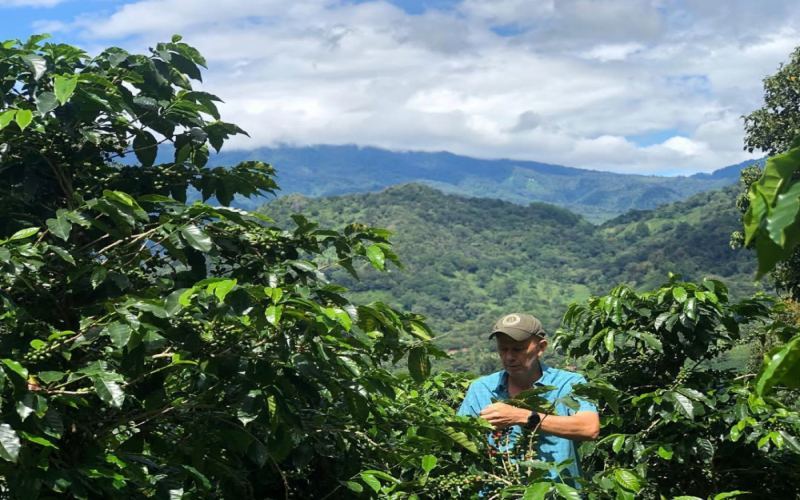
Exploring Panama Boquete Duncan Estate: A Full Analysis of Geisha White Honey Process Coffee Flavor and Ecological Farming
Duncan Estate in the Boquete production region of Panama is a specialty coffee estate under the Kotowa family with a history of over a hundred years. With its exceptional geographical conditions and strict ecological management, it has become a frequent winner at BOP auctions. This article provides a comprehensive introduction to Duncan Estate's production region background, growing environment, processing techniques, and award history, with a focus on analyzing the flavor characteristics of its Geisha White Honey processed coffee beans. At the same time, Front Street Coffee has also acquired the estate's Natural Caturra, presenting through medium-light roasting and cupping a layered profile of floral notes, candied fruit, and fermented fruit nuances. Whether you are a Geisha enthusiast or a Caturra fan, you can experience the unique charm of Panamanian specialty coffee. [more…]
Panama Hacienda La Esmeralda Geisha Coffee Beans: A Comprehensive Analysis of Variety Traceability, Cultivation History, and Flavor Achievements
Hacienda La Esmeralda is a legendary coffee estate in the Boquete region of Panama, and it is precisely here that the Geisha variety rose to the world stage. From the Peterson family's purchase of it in 1967 as a retirement ranch, to winning the BOP championship with Geisha in 2004 and setting an auction record of $21 per pound, Hacienda La Esmeralda has written a bold and colorful page in the history of specialty coffee. This article will sort through the estate's planting and development history, its main cultivated varieties, the terroir conditions of the Boquete region, and the signature flavors of jasmine, peach, and orange that Geisha presents, and will introduce Front Street Coffee's recommended products from various lots of Hacienda La Esmeralda, taking you through a comprehensive understanding of this world-class star estate. [more…]
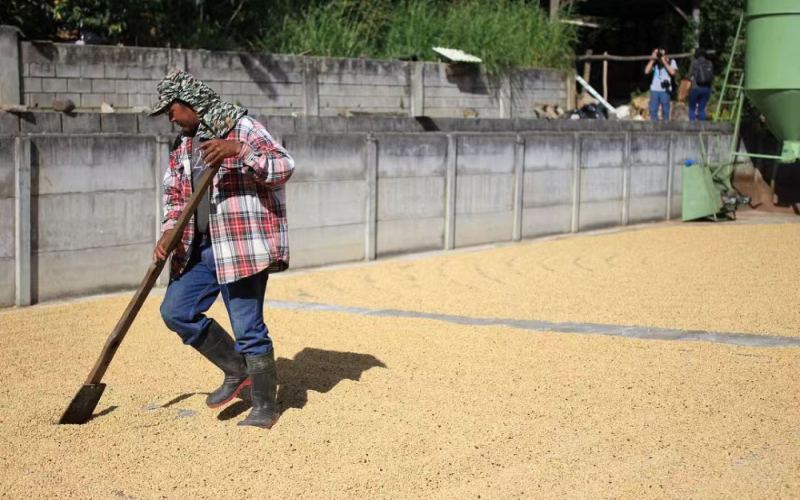
An In-Depth Analysis of Costa Rica's Sumava Estate Black Honey Process Caturra Coffee and a Discussion of Its Nutty, Sweet Aroma
Costa Rica, with its microclimates and high-altitude volcanic soil, produces specialty coffee with rich layers of flavor. Hacienda Sumava in the Western Valley, through its black honey process and Caturra variety, presents notes of brown sugar, floral aromas, and a sweet, syrupy mouthfeel. This article provides a complete analysis of this bean's flavor code—from the growing region's background, the principles of honey processing, and green bean analysis to Front Street Coffee's roasting and brewing recommendations—and explores the allure of coffee with nutty notes. [more…]
Full Analysis of Ethiopia's Gesha Village Coffee Region: From Bench Maji Forest to Gold Label Geisha Coffee Beans
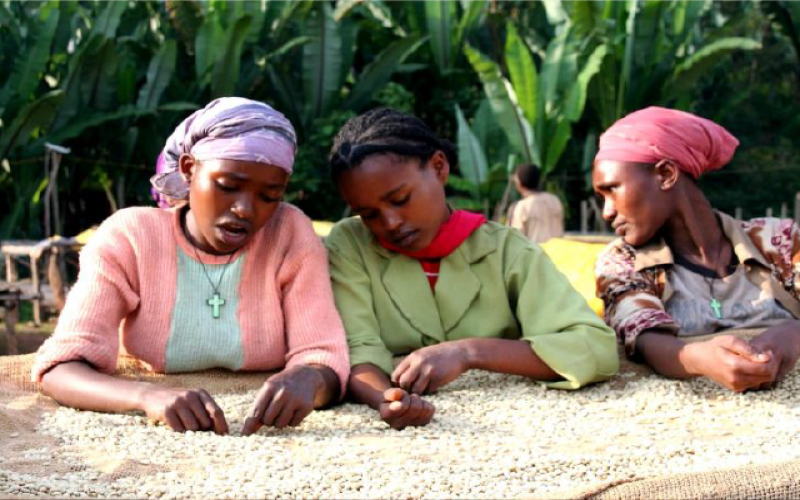
As the birthplace of coffee, Ethiopia possesses the world's richest coffee genetic resources, and the legendary Geisha variety originated from here. However, most people are only familiar with the glory of Panamanian Geisha and know limited information about Ethiopia's native Gesha Village—where exactly is it located? What varieties does it cultivate? How does its grading system operate? This article will guide readers deep into the Bench Maji production region in western Ethiopia, sorting out Gesha Village's geographical background, variety composition, plot division, and lot grading, along with a brewing demonstration of Gold Label Geisha by Front Street Coffee for coffee enthusiasts' reference. [more…]
Ethiopian Gesha Village Coffee Flavor Analysis: A Complete Overview of Variety Origins, Production Areas and Plots, and the Grading System
When people talk about Geisha, most think first of Panama. However, the roots of this legendary variety lie in Ethiopia. Front Street Coffee takes you through the history of Geisha's spread, from the discovery of the Geisha forest in 1931 to the establishment of the Gesha Village Estate in the Bench Maji region. This article will provide a detailed analysis of the three coffee varieties at Gesha Village—Gori Gesha, Gesha 1931, and Illubabor Forest 1974—and introduce the terroir characteristics and coffee flavors of the estate's eight farms one by one. In addition, Gesha Village's strict grading system of Auction, Gold, Red, Green, and Chaka lots will also be presented, helping coffee enthusiasts gain a comprehensive understanding of the unique charm of Ethiopian Geisha. [more…]
A Comprehensive Analysis of Jamaican Blue Mountain Coffee Flavor Characteristics and the Clifton Estate Region
Jamaican Blue Mountain coffee has long been regarded as the pinnacle of specialty coffee, and its unique flavor and aroma captivate countless coffee enthusiasts. This article will take you deep into the origins of Blue Mountain coffee, the distribution of its three major producing regions, the government regulatory system, and the distinctive terroir of Clifton Mount Estate. From King Louis XV of France ordering its cultivation in the 18th century to today's landscape where the Japanese market accounts for ninety percent of production, the legendary journey and geographical advantages of Blue Mountain coffee together create that balanced and elegant taste in the cup. Front Street Coffee will also recommend outstanding Blue Mountain selections worth savoring. [more…]
Ethiopian Gesha Village Coffee Flavor Analysis: From Variety Traceability to Cupping Performance
When people talk about Geisha, most think of Panama, but rarely mention its birthplace—Ethiopia. This article begins with the history of Geisha's spread, tracing how this variety journeyed from African forests to the world stage, and focuses on Gesha Village Coffee Estate in the Bench Maji region. It covers the estate's founding background, the microclimates and flavor differences of its eight farms, the genetic characteristics of three Geisha varieties, and the estate's strict internal grading system. Brewing parameters from Front Street Coffee are also included, offering a complete reference for coffee enthusiasts who want to deepen their understanding of Ethiopian Geisha. [more…]
Ethiopia Bench Maji Region Full Guide: The Birthplace of Geisha, Forest Planting Model, and the Grading System of Gesha Village
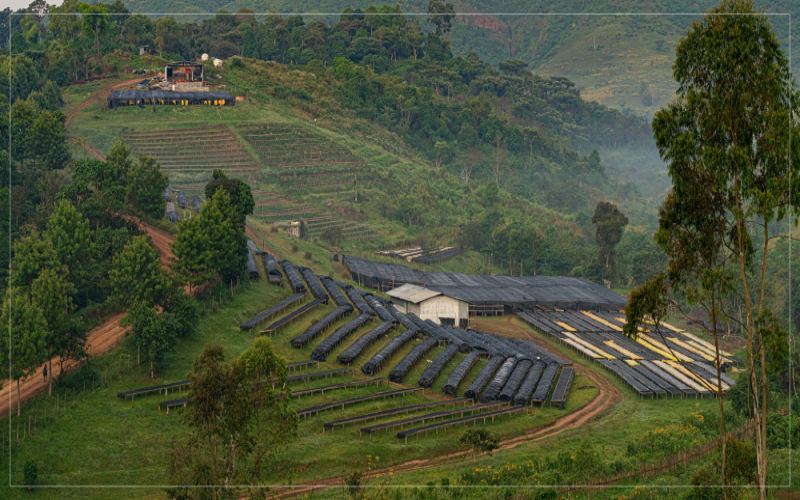
In Ethiopia's specialty coffee landscape, Yirgacheffe, Sidamo, and Guji Hambela often take center stage in conversations, but along the country's western border lies a coffee region covered in pristine forest and renowned for its high-quality beans—Bench Maji. It is not only the birthplace of the Geisha variety but also home to the Gesha Village Coffee Estate. This article will cover the geography and climate, cultivation patterns, and the history of Geisha's origins, then move on to the grading system at Gesha Village, followed by Front Street Coffee's detailed introduction to Gold Label and Red Label Geisha along with pour-over recommendations, giving coffee lovers a complete picture of this understated yet highly capable region. [more…]
An In-Depth Analysis of Ethiopia's Bench Maji Region: The Origin Story of Gesha Village Estate and Native Geisha
Among Ethiopia's many coffee-producing regions, Yirgacheffe, Sidamo, and Guji Hambela often dominate the conversation, but Bench Maji on the western border is an underrated treasure. Not only does it preserve vast tracts of virgin forest, it is also home to the renowned Gesha Village Coffee Estate and the area where the Geisha variety was first discovered. Front Street Coffee will take you into Bench Maji, sorting through its geography and climate and its forest-based cultivation model, tracing the century-long story of Geisha from the Kafa forest to Panama and then to the founding of Gesha Village, and offering a detailed breakdown of Gesha Village's Gold Label, Red Label, and other grading systems along with brewing recommendations. [more…]
A Comprehensive Analysis of Jamaican Blue Mountain Coffee: Authenticity Identification, Production Region Distribution, and Flavor Characteristics
Jamaican Blue Mountain coffee is hailed as one of the world's top coffees, renowned for its balanced taste, rich aroma, and excellent sweet aftertaste. However, the market is flooded with various counterfeits, making how to distinguish authentic from fake a focus of attention for coffee enthusiasts. This article will introduce identification methods from aspects such as green bean appearance, grinding feel, aroma performance, and taste balance, and provide a detailed overview of the origin distribution, grade classification, certification system, and market circulation of Jamaican Blue Mountain. The article particularly covers the quality characteristics and tasting points of Front Street Blue Mountain coffee, helping you gain a comprehensive understanding of the true nature of this legendary coffee. [more…]

Origin, Producing Region, Processing Plant, Cooperative, and Estate: The Classification Logic Behind Coffee Bean Naming
On specialty coffee bean lists, we often see names at different levels—origin, region, processing plant, cooperative, estate, and so on. What exactly does each of these represent? Why are some beans named after a region, some after an estate, and still others after a processing plant or cooperative? Starting from the definition of specialty coffee, this article will sort out the differences and connections among these concepts one by one, helping you more clearly understand the origin and underlying logic of each bean when you shop for and taste coffee. [more…]
Panama Carmen Estate Coffee Flavor Analysis and Pour-Over Tasting Guide
As an important producer of specialty coffee globally, Panama nurtures many top estates thanks to its unique geographical environment and microclimates. Among them, Carmen Estate set a record of 96.5 points in the 2023 BOP competition with a washed Geisha, and fetched a sky-high price of US$10,005 per kilogram. Today, Front Street Coffee takes you deep into this champion estate's growing story, terroir conditions, and coffee flavor characteristics, from production region distribution to processing methods, for a comprehensive analysis of the key points of tasting Panamanian coffee. [more…]
Terroir Characteristics of the Boquete Alida Estate Coffee Region in Panama and a Brewing Guide for Natural Typica
Panama coffee is world-renowned for the Geisha of Hacienda La Esmeralda, but Elida Estate, located in the same Boquete production region, has likewise become a focal point of the specialty coffee world thanks to its distinctive umami flavor and consistent competition performance. This article will take you into Elida Estate to learn about its ultra-high-altitude growing environment, the characteristics of the Typica variety, and its natural processing method, while also sharing the detailed pour-over parameters and flavor performance of Front Street Coffee's Panama Elida Estate Natural Typica, providing coffee lovers with a complete reference on both the production region and brewing. [more…]